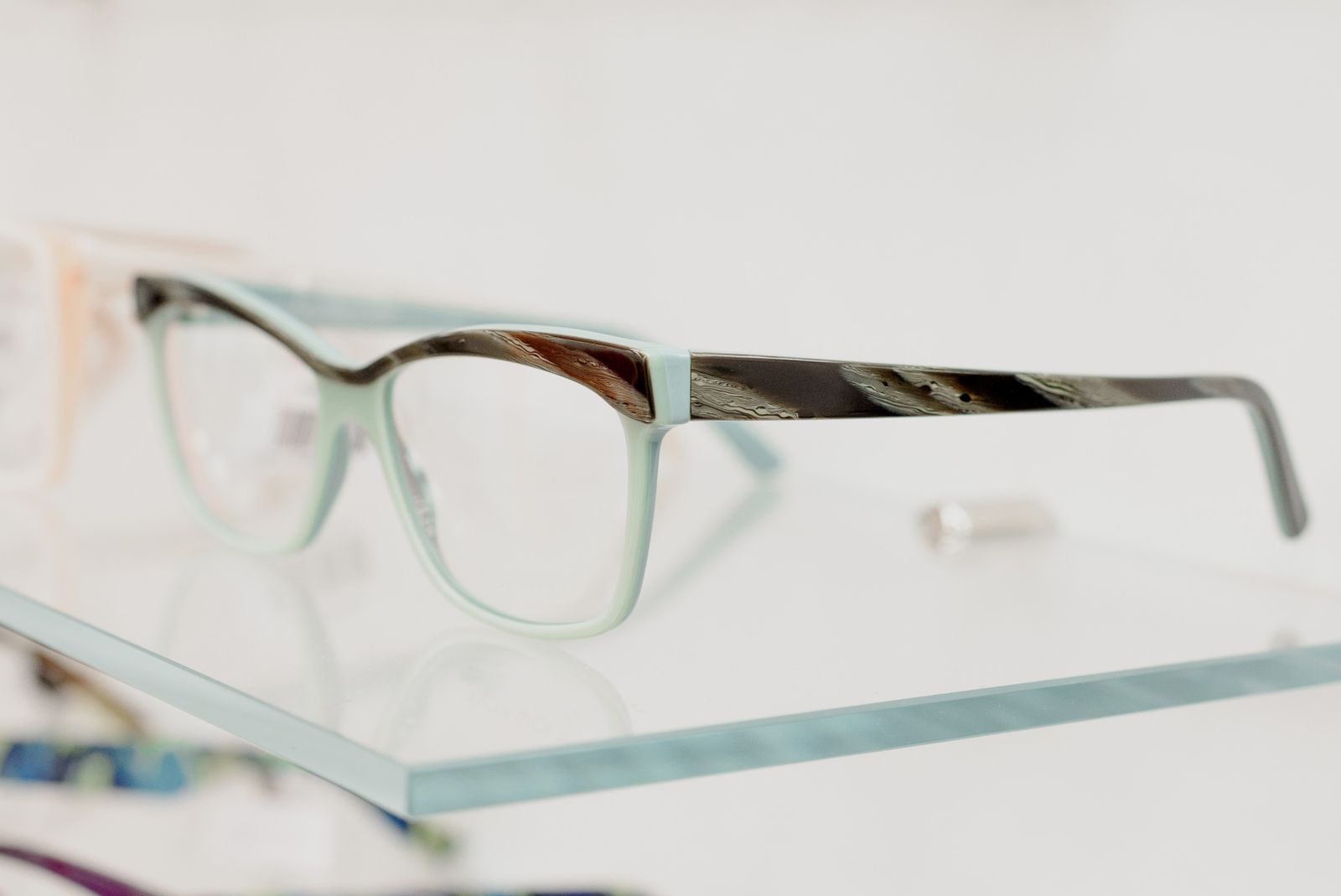
The second-pair conversation has a bad reputation because most versions of it deserve one: a discount coupon at checkout, a 'want a backup?' mumbled while running the card. Patients smell the upsell and decline. But walk through what an optometrist actually knows at the end of an exam — this patient drives at night, works nine hours on screens, plays tennis on weekends — and the second pair stops being a sales tactic. It's the unfinished half of the clinical recommendation.
If your practice is weighing remote support, our guide to virtual assistants for optometry practices covers the roles, training and cost in one place.
Start in the exam chair, not at the register
Second-pair conversions live and die on who introduces the idea. When the doctor says 'for the amount of screen time you described, I'd recommend a dedicated computer pair — your progressives will frustrate you at that distance,' the optician's later conversation is a continuation, not a pitch. The mechanics: capture lifestyle facts during pretesting (that's what the 'what do you do all day?' questions are for), have the OD name the specific second-pair recommendation in the exam summary, and hand it off explicitly — 'I'm noting a computer pair on your chart; Maria will show you what that looks like.'
Frame by task, never by 'backup'
'A spare pair' sells fear and converts poorly. Task-specific framing sells function: computer glasses tuned to desk distance, dedicated sunwear in the patient's prescription, sport frames that stay put, reading glasses that live on the nightstand, safety-rated pairs for the workshop. Each maps to a moment the patient already lives daily. The optician's script is one question deep: 'Doctor mentioned a computer pair — tell me about your desk setup?' and then a recommendation, not a menu.
Price the second pair honestly
A modest, standing second-pair benefit — a defined percentage when purchased with the first pair, or attractive package pricing on task-specific pairs — outperforms deep episodic discounts, which train patients to wait for sales and cheapen the clinical framing. The margin math works because the second pair carries no additional exam cost and often uses aging board inventory smartly through curated bundles.
Time the follow-up for the misses
Many patients decline in the moment and buy within the year — if anyone follows up. Two natural touches: when the first pair arrives ('as you're adjusting to these, remember Dr. Chen's note about a driving pair — the offer's good for 90 days'), and a seasonal reach-out matched to the recommendation (sunwear in spring, safety pairs when the patient mentioned the workshop). Logging the doctor's second-pair recommendation and working that follow-up list is exactly the systematic outreach an eye care virtual assistant runs for optometry practices at a flat $10/hour — unhurried, scripted, and consistent, which is what the in-the-moment decline was waiting for.
Measure it as clinical follow-through
Track second-pair attachment rate monthly and — more telling — the share of exams where a specific second-pair recommendation was documented. If documentation is low, the opportunity is dying in the exam lane, not at the register. Practices across eye care, ophthalmology dispensaries included, find the same truth: patients decline upsells and accept recommendations. Make sure what you're offering is unmistakably the second kind.