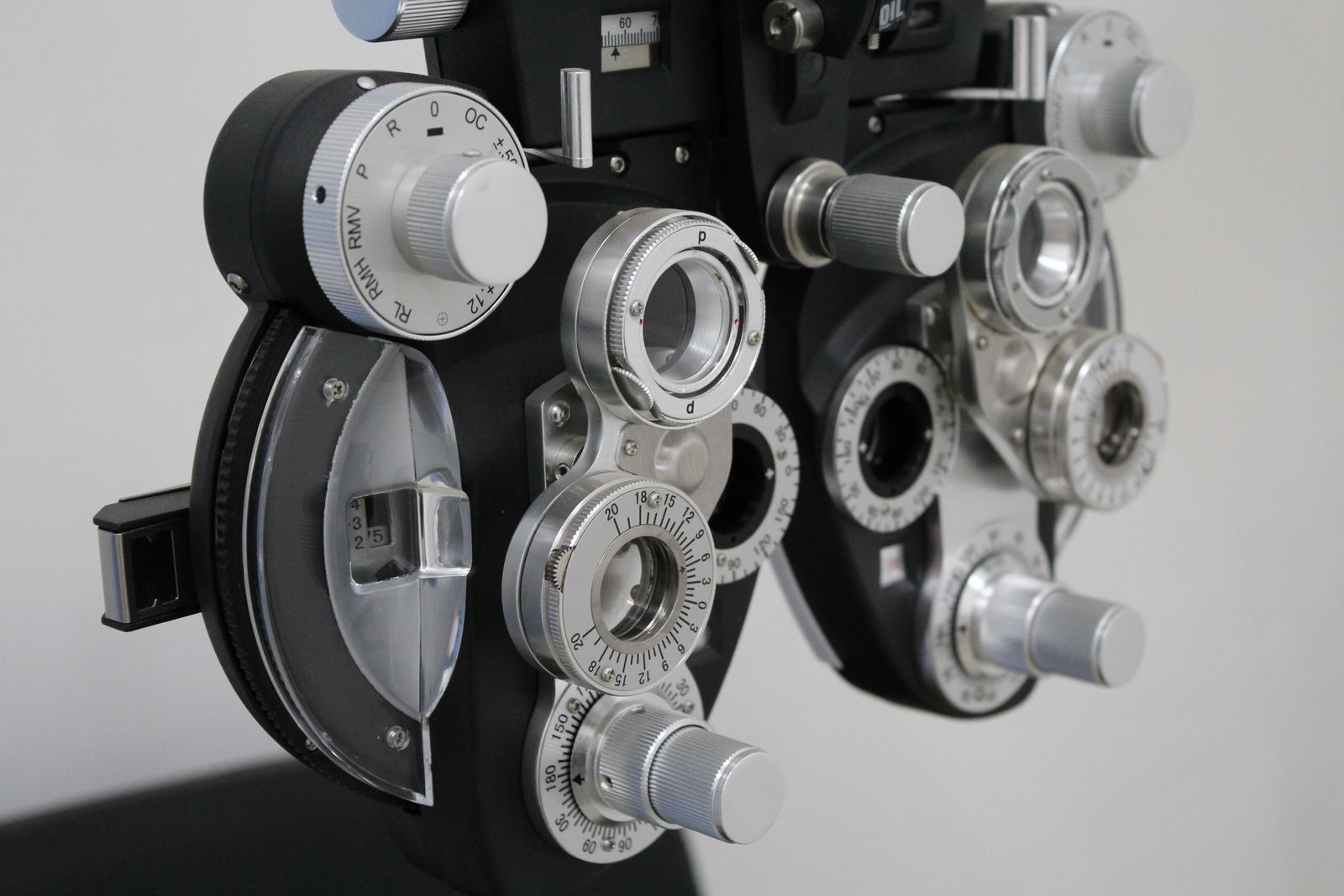
The most expensive minutes in an optometry practice are doctor minutes spent on work that didn't need a doctor. Pretesting exists to protect them — and the difference between a practice where exams flow and one where the OD is perpetually behind is rarely the doctor's speed. It's whether pretesting is a standardized system or whatever each tech remembers to do.
If your practice is weighing remote support, our guide to virtual assistants for optometry practices covers the roles, training and cost in one place.
The standard battery
Define one battery for comprehensive exams and run it identically on every patient: entering acuities (with correction, each eye, pinhole when reduced), autorefraction and lensometry on habitual wear, non-contact or rebound pressures per your protocol, color and stereo screening where indicated, and pupil check. Add per-protocol extensions — topography for contact lens fits, fundus imaging if your workflow pre-captures it. Write the battery down, post it in the pretest room, and make deviations an exception requiring a reason, not a mood.
History is the half techs underestimate
A pretest that captures numbers but not the story saves half the available time. Script the history: chief complaint in the patient's words, duration and progression, flashes/floaters screening, headaches and near-work symptoms, ocular and medical history updates, medication changes, last exam date, and — operationally important — what the patient hopes to leave with (new glasses? contacts? a specific concern addressed?). That last question surfaces both clinical priorities and optical intent before the exam starts. Teach techs to document in tight, quoted phrases; a well-captured 'left eye blurry at night for two weeks, worse with driving' is worth three minutes of doctor questioning.
The handoff note: 30 seconds that organize the exam
Standardize a two-line handoff — verbal or in-chart — before the OD enters: headline complaint, notable pretest findings, anything unusual ('pressure 26 right eye,' 'requests contact lens fit,' 'anxious about glaucoma — mother had it'). The doctor walks in oriented instead of excavating. Practices that adopt a forced handoff format report smoother exams within a week; it's the cheapest workflow upgrade in eye care.
Train it, check it, keep it honest
Pretesting drifts. New techs improvise, seasoned techs shortcut, and six months later three versions of the battery coexist. Countermeasures: a checkoff sheet during training (our 90-day tech training plan covers the ophthalmology version — the optometry battery trains faster), a quarterly chart audit of ten pretests against the standard, and re-timing the battery twice a year to find creep.
Protect pretest time from admin gravity
The battery collapses on days when techs are also answering phones, chasing insurance verifications, and working recall lists. That administrative load is real — it just doesn't belong in the pretest room. Routing it to a trained eye care virtual assistant at a flat $10/hour keeps techs in the lane and the schedule honest. The result compounds daily: an OD who receives twenty pre-worked, well-storied patients sees more people, catches more pathology, and — per our capacity guide — goes home on time.