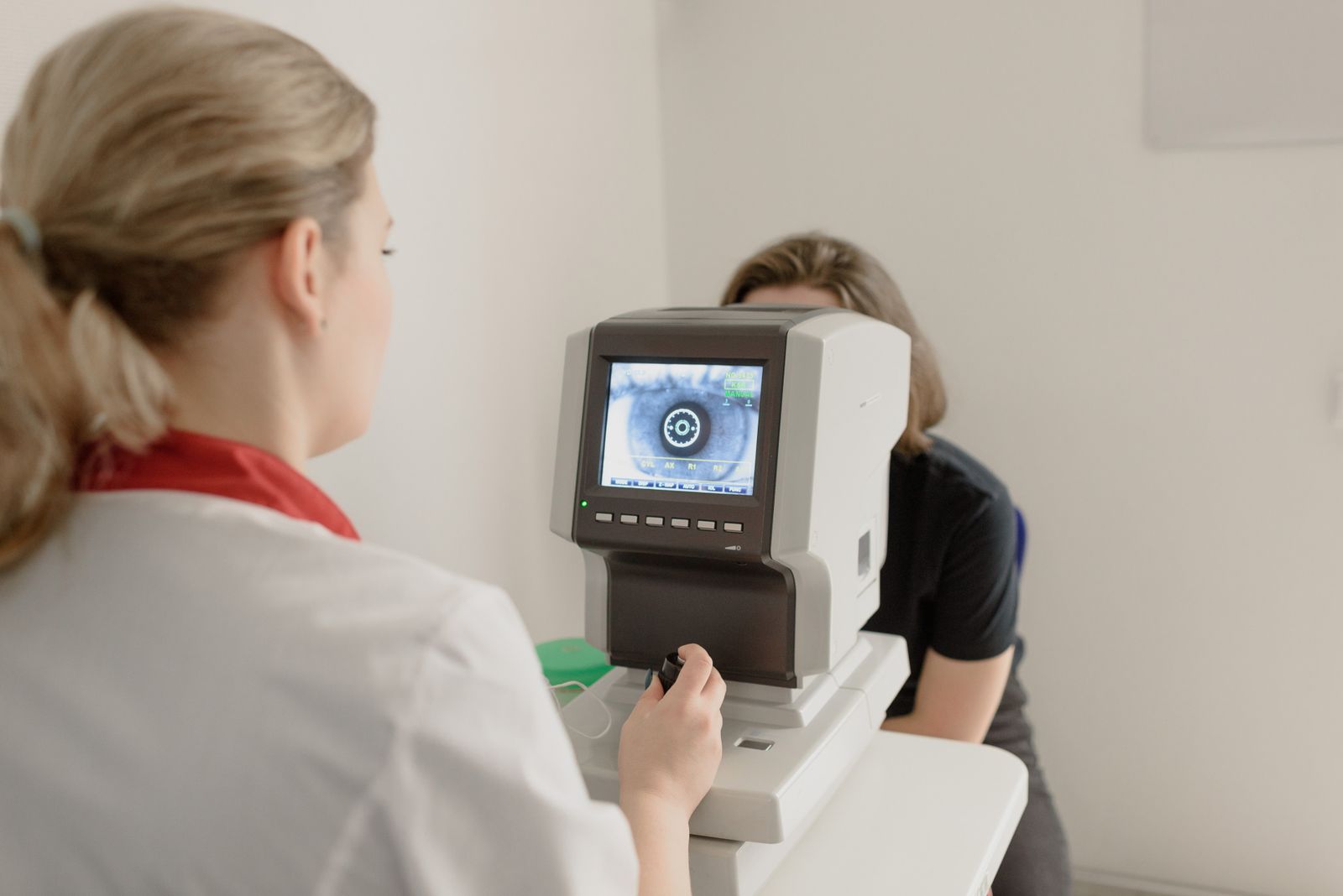
Optometry practices measure new patients obsessively and retention almost never — which is backwards, because the economics run the other way. A practice retaining 85% of its patients replaces 15 of every 100 each year; one retaining 65% replaces 35, spending triple the marketing to stand still. And patients rarely leave over the exam. They leave in the space between visits, where no one was paying attention.
A dedicated virtual receptionist for eye care practices can answer every call, confirm appointments and keep the schedule full.
Measure it before managing it
Simple working definition: of patients seen 12–24 months ago, what share has returned or holds a future appointment? Pull it quarterly, and segment by cohort — new patients (their second visit is the loyalty hinge), vision-plan versus medical, and by doctor. The segments point at the leak; the trend tells you whether fixes are working. Retention is also the input that drives revenue per patient — the two metrics rise together.
The first 90 days decide the next decade
New patients are still deciding. Sequence the impression: a same-week welcome text or note after the first visit; glasses and lenses that arrive when promised, with a quality-check call a week after pickup ('how are the new progressives treating you?'); any promised follow-up — records, a quote, a benefit check — delivered without being chased. That adjustment-period call is the single most underused retention move in optical: it catches the frustrated non-adapter before they quietly become someone else's patient, and it converts a transaction into a relationship.
Book the future before it leaves the building
Pre-appointing next year's exam at checkout — framed as a default, honestly ('let's hold your spot for next October; we'll remind you as it approaches') — is the retention backbone, because a patient with a future appointment has a reason to return that requires no memory, no decision, and no marketing. Layer the reminder cadence from our template guide, run the recall recovery list for everyone who slipped, and treat contact lens patients to the built-in recall of a subscription program.
Stay useful between visits
Twelve months of silence makes every recall a cold call. Low-frequency, high-usefulness touches keep the relationship warm: the year-end benefits reminder (see the December playbook), a seasonal note matched to the chart (sunwear for the golfer, dry-eye tips in winter), a birthday message. Two to four genuine touches a year; anything more becomes noise.
The machinery behind the warmth
Every element above is a list somebody works: the welcome sequence, adjustment calls, pre-appointment upkeep, recall recovery, seasonal touches, and the quarterly retention report itself. In practices where that somebody is 'whoever has a free minute,' retention stays a wish. Optometry and ophthalmology offices alike hand the machinery to a trained eye care virtual assistant at a flat $10/hour — and the warmth becomes systematic, which is the only kind that compounds.