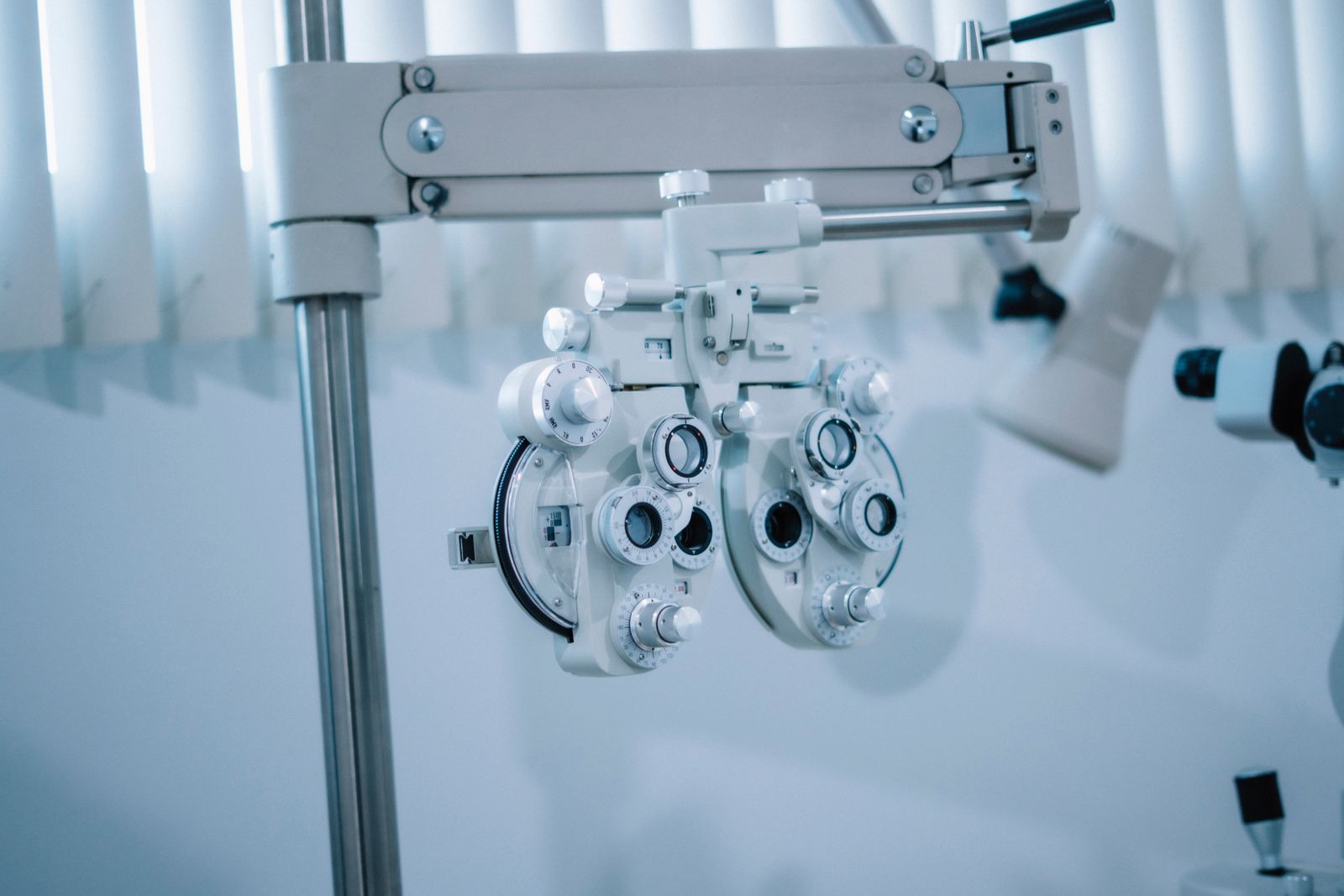
Diabetic eye exams sit at a rare intersection: patients need them annually, primary care physicians are graded on whether they happen (HEDIS and quality contracts put real money behind the measure), and most PCPs have no reliable way to make them happen. An optometry practice that builds a dependable screening program isn't just doing good medicine — it's becoming the answer to a problem every clinic in town is being scored on.
If your practice is weighing remote support, our guide to virtual assistants for optometry practices covers the roles, training and cost in one place.
Understand the demand you're serving
PCPs and health systems are measured on the percentage of their diabetic panel with a documented annual eye exam. 'Documented' is the operative word: the exam only counts when the result gets back into the PCP's record. That means the product you're offering primary care isn't an exam — it's a closed loop: easy referral in, exam done, structured report back, every time. Practices that deliver the loop reliably become the default destination for entire panels.
Make referring effortless
One-page referral pathway: a dedicated fax/portal channel, a phone line the PCP's staff can call, and a standing commitment — diabetic referrals scheduled within two weeks, sooner with symptoms. Confirm receipt of every referral the same day, and — the step that builds reputations — notify the referring office when a patient doesn't book or no-shows, so their care team can nudge. You're now protecting their quality metric even when the patient hides.
The report letter is the product
Template it, one page, faxed or ported within 48 hours: patient and exam date; dilated exam or validated imaging performed; retinopathy status in the standard grading language (none, mild/moderate/severe NPDR, PDR; macular edema present or absent); management plan and recommended return interval; and a referral note if findings warrant ophthalmology — with the loop to a retina practice pre-built. Include the ICD-10 codes; the PCP's quality team will love you for it.
Recall is where programs live or die
A diabetic exam program is an annual promise, which makes it a recall machine: every diabetic patient leaves with next year's appointment booked; reminders run at two weeks and three days; no-shows enter a recovery list worked weekly; and a quarterly sweep finds every diabetic patient in the panel with no future appointment. This is the same architecture as any chronic-disease recall in eye care — ophthalmology practices run it for AMD monitoring — and it's precisely the steady, scripted work practices hand to a trained eye care virtual assistant at a flat $10/hour: the lists, the calls, the report-letter sending, the PCP notifications, the tracking sheet.
Tell primary care you exist
Once the loop runs clean for 90 days, market it — a one-page flyer to every PCP office within your radius: 'Diabetic eye exams within two weeks, report to your EHR within 48 hours, no-show alerts included.' That's not advertising; it's an operational promise their quality scores need. Combined with the medical model it feeds, a screening program built this way compounds: every panel you serve refers the next one.