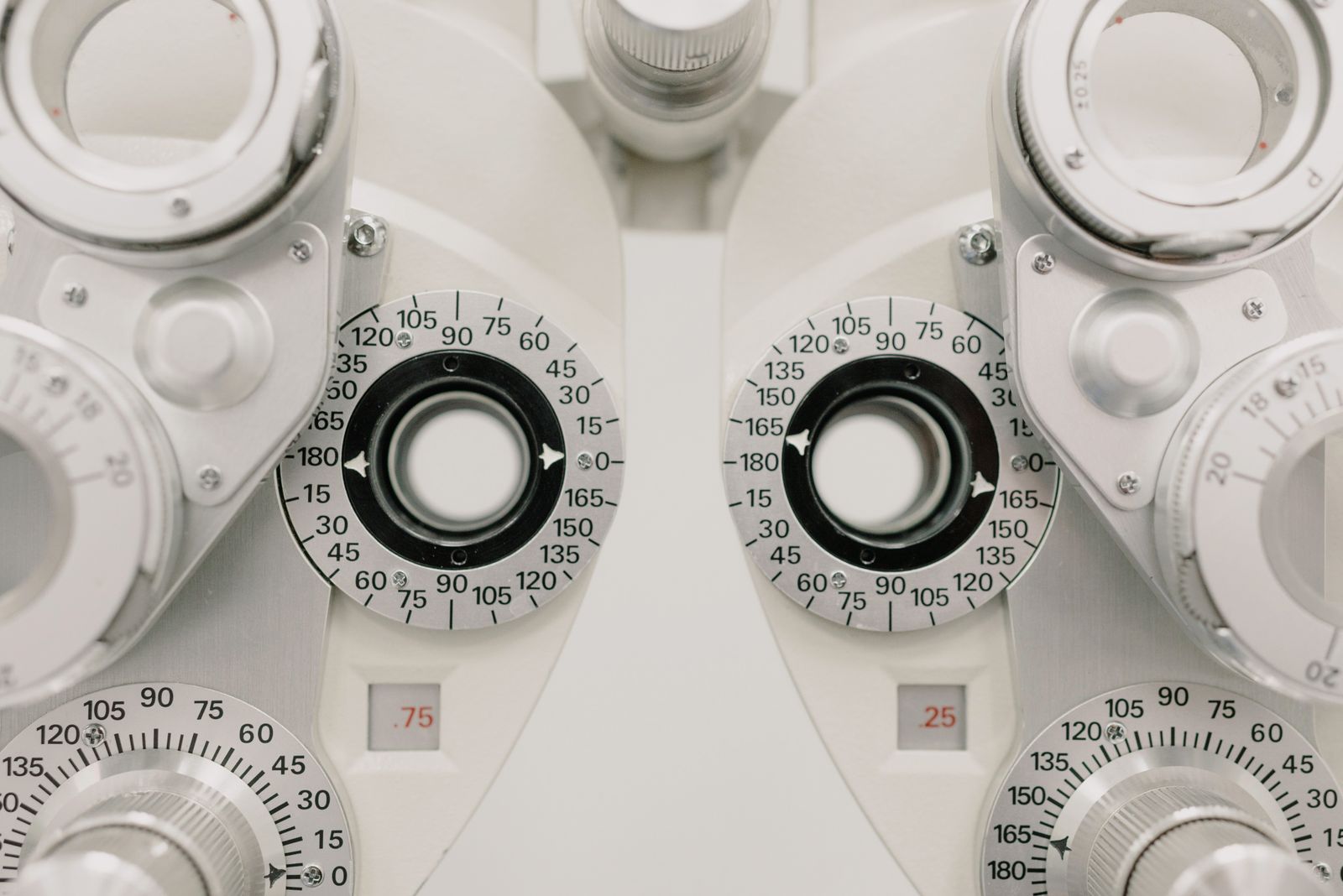
Patients ask it, PCPs ask it, and new graduates ask it about their own careers: can optometrists treat glaucoma? In the large majority of US states, the answer is yes — optometrists can diagnose glaucoma and manage it medically with topical (and in many states oral) medications, with specifics varying meaningfully by state: certification requirements, drug formularies, and referral triggers differ. Surgical management remains ophthalmology's domain nearly everywhere, with a handful of states permitting specified laser procedures. So for an optometry practice, the real question isn't permission — it's whether you build glaucoma care as a deliberate service or keep referring away patients your license lets you keep.
If your practice is weighing remote support, our guide to virtual assistants for optometry practices covers the roles, training and cost in one place.
What a real glaucoma service requires
Glaucoma is a data-longitudinal disease; managing it means owning the data. The equipment floor: threshold visual fields, OCT with nerve fiber analysis, pachymetry, gonioscopy skills, and reliable tonometry. If you already own the OCT and field unit for the medical model, the marginal equipment cost of glaucoma care is modest — the real investments are protocol discipline and follow-up architecture.
Protocolize the clinical rhythm
Write your own internal standards and follow them uniformly: baseline workup (fields, OCT, pachymetry, gonioscopy, disc imaging), a defined suspect-versus-treat framework, target pressure documentation, and testing cadences by stability. Uniformity matters beyond medicine — it makes scheduling predictable, makes imaging billing defensible under frequency rules, and makes any later comanagement or referral letter crisp.
The follow-up machine is the service
Glaucoma patients are asymptomatic by definition until late disease — they don't feel the reason to return. That makes the recall system the clinical intervention: interval appointments booked before the patient leaves, reminder sequences, a no-show recovery list worked weekly, and refill-gap monitoring for medication adherence. A missed glaucoma follow-up isn't a schedule gap; it's untreated progression. This administrative surveillance layer — lists, calls, tracking, documentation — is exactly what a trained eye care virtual assistant runs at a flat $10/hour, with clinical escalation rules, while the OD does the medicine.
Draw the comanagement lines in ink
Define, in writing, what triggers referral to ophthalmology: progression despite maximum tolerated medical therapy, surgical candidacy, angle closure beyond your scope or comfort, pediatric and secondary glaucomas per your state's rules. Then build the relationship deliberately — a glaucoma specialist who knows you send clean baselines and complete records will return your patients for continued monitoring, the same loop-closing covered in our screening program guide. Optometry keeps the longitudinal care; ophthalmology handles the escalations; the patient gets eye care without gaps.
The practice math
A managed glaucoma panel generates recurring medical visits and imaging — recurring because the disease is permanent — while deepening exactly the clinical work most ODs went to school hoping to do. Build the protocols, staff the follow-up machine, and the service compounds for decades.