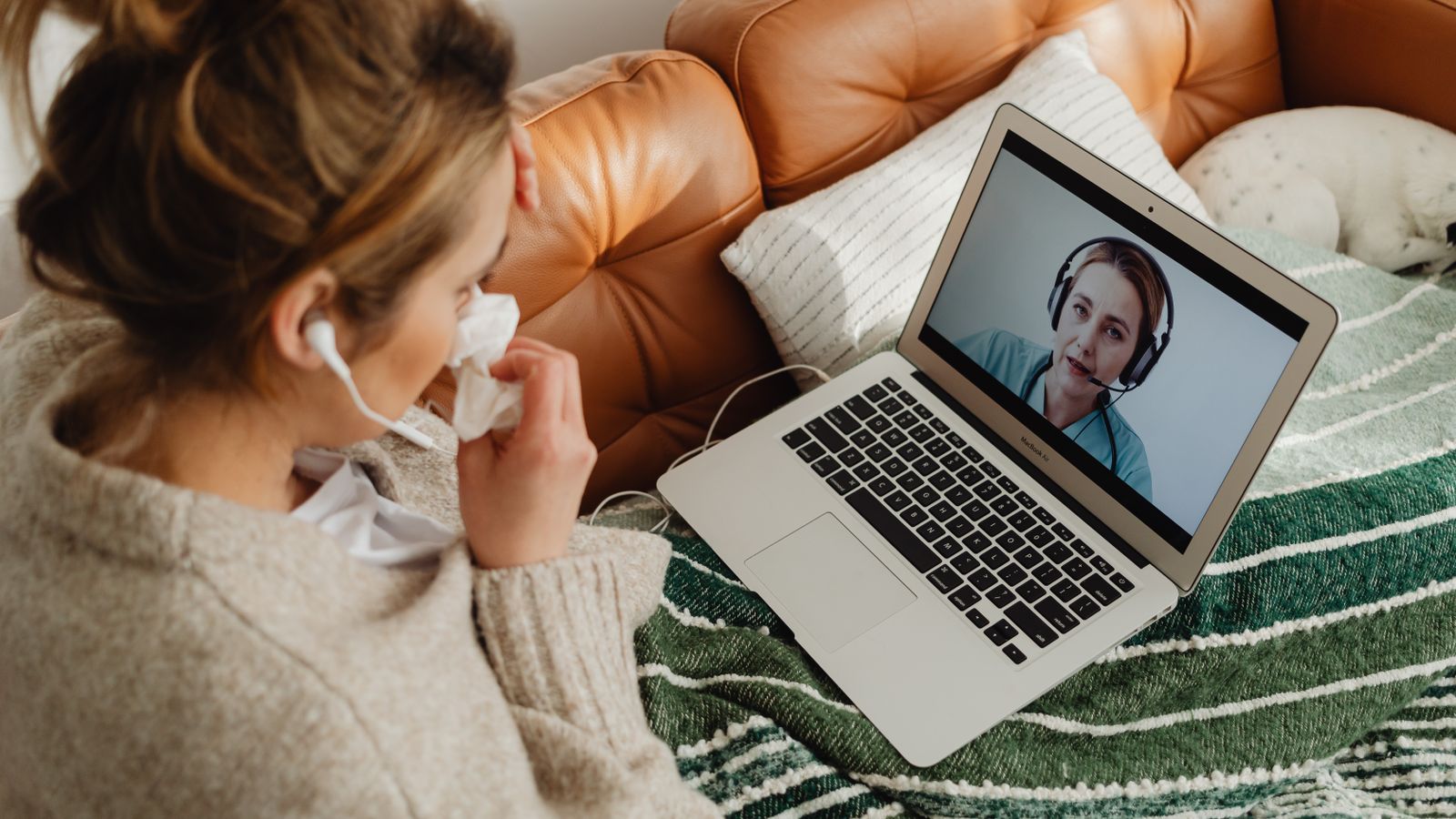
After-hours coverage in ophthalmology carries a strange asymmetry: the overwhelming majority of calls are drop questions and reassurance, but hidden among them are the retinal detachments, chemical injuries, and post-op infections where hours determine outcomes. The coverage system's job is to treat every call as potentially the second kind while not burning out physicians on the first kind.
A dedicated virtual receptionist for eye care practices can answer every call, confirm appointments and keep the schedule full.
Choose a coverage structure deliberately
The common models: solo coverage (unsustainable past a certain volume and a real recruitment liability), internal rotation within a group, reciprocal call-sharing agreements between independent practices, and regional academic or on-call networks for true surgical emergencies. Call-sharing between compatible practices is underused in eye care — it halves the burden with modest coordination cost. Whatever the model, put it in writing: which nights, which escalation pathways, how comanaged and post-op patients are handled, and how the covering physician documents into the record.
Build the triage layer in front of the physician
The physician should be the second touch, not the first. A good answering layer — service or trained staff — works from a written protocol with three buckets:
- Immediate physician contact: sudden vision loss, new flashes/floaters/curtain, significant eye pain, chemical exposure (with irrigation instructions given immediately), trauma, post-op pain or vision decline. The red-flag list mirrors the one from our post-op call protocol.
- Next-morning callback: medication refill logistics, mild irritation without red flags, appointment questions — logged and routed to the morning list.
- Scripted self-care with safety netting: defined minor issues, always ending with 'call back immediately if X.'
Audit the answering layer quarterly: call a test scenario in and see what happens. Practices are routinely surprised.
Documentation: the unglamorous protection
Every after-hours contact belongs in the chart by the next business day: caller, symptoms reported, advice given, escalation decision. The covering physician's 2 a.m. verbal advice protects no one if it never reaches the record. The cleanest workflow: the answering layer logs every call to a shared queue, and a designated staffer reconciles the queue into the EHR each morning — including confirming that every 'call back if worse' patient got a next-day check-in call.
The morning-after machine
That reconciliation — logging calls, booking urgent follow-ups, making check-in calls, closing the loop with comanaging optometry offices when their patients called overnight — is steady administrative work that determines whether the coverage system actually protects anyone. It's also entirely delegable: many eye care groups hand the morning queue to a trained virtual assistant at a flat $10/hour, so the clinical team walks into a sorted list instead of a mystery pile. Ophthalmology call will never be painless, but it can be structured — and structure is what keeps both patients and physicians safe.