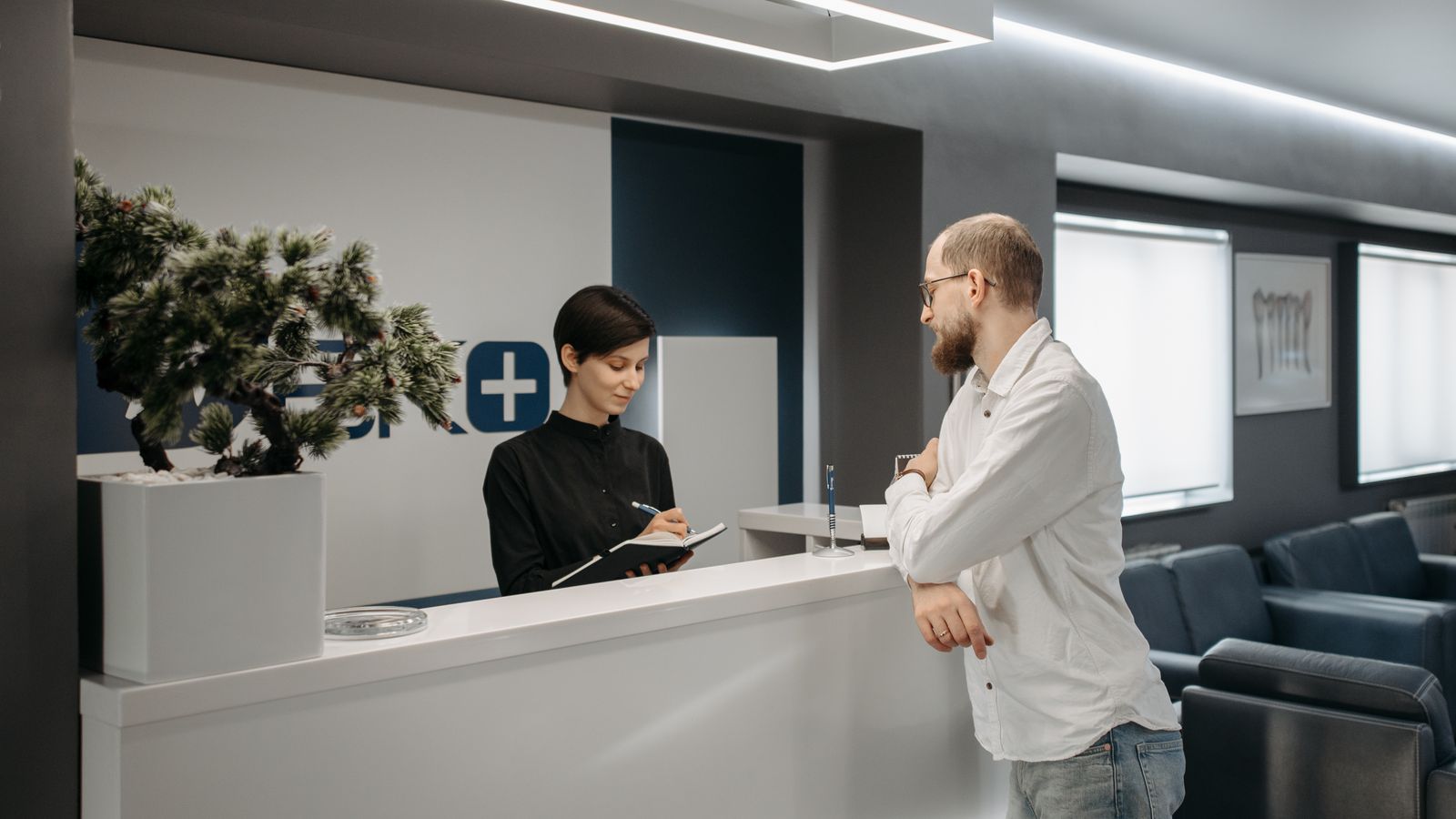
This comparison gets framed as a contest, which is the wrong frame. The practices staffing most successfully in 2026 aren't choosing remote over in-house or defending in-house against remote — they're getting deliberate about which chair each kind of work belongs in. Still, when you're deciding where your next staffing dollar goes, you need the honest side-by-side. Here it is.
If your practice is weighing remote support, our guide to virtual assistants for optometry practices covers the roles, training and cost in one place.
Cost
No suspense on this one: remote wins on price, and it isn't close. An in-office administrative hire costs their wage plus payroll taxes, benefits, PTO, workers' comp, training time, and a share of your physical overhead — a load that typically adds a third to a half on top of the stated wage. A remote team member through a staffing provider arrives as a single flat rate with training, management, and backup coverage bundled in, usually totaling well under the in-office equivalent's wages alone.
The fair counterpoint: cost only matters for work that can actually be done remotely. A cheaper rate for a role that needed hands in the building is not a bargain.
Coverage and reliability
Here the comparison genuinely surprises people. Intuition says the person in the building is more dependable; experience says otherwise. When your in-office front desk person is sick, the desk is simply short — someone else covers badly while doing their own job. When a provider-managed remote assistant is out, a trained backup logs in. Over a year, many practices find their remote roles have better effective attendance than their in-office ones. Independent contractors hired directly, note, don't come with this safety net; the coverage advantage belongs to the managed model specifically.
Training and time-to-productive
In-house hires from within eye care arrive knowing the rhythm of a practice — but such candidates are increasingly rare, and most front-desk hires now come from retail or hospitality and learn optometry from zero, on your time. Healthcare staffing providers front-load general training (HIPAA, medical terminology, phone skills, sometimes eye-care-specific systems), leaving you to teach only your practice's particulars. Call it a wash for experienced local candidates, and an advantage for remote when your realistic local pool is inexperienced.
The work itself
In-building work — pretesting, imaging, dispensing, adjustments, the greeting that sets a visit's tone — belongs to in-office staff, full stop. Location-neutral work — phones, scheduling, verification, recall, billing, records — can sit in either chair, and this is where the real decision lives. The argument for moving it remote isn't just cost; it's focus. Desk work done between walk-ins gets done in fragments. The same work done by someone nobody can interrupt gets done in full. Recall lists, in particular, seem to only ever get worked by people who can't be pulled away from them.
Culture and team dynamics
The honest concern owners raise: will a remote member ever really be part of the team? It depends almost entirely on how you run it. Remote staff who join the morning huddle, appear in the group chat, and get named at the holiday toast integrate fine — plenty of practices describe their VA as simply "ours." Remote staff treated as an anonymous service stay one, and the in-office team may quietly resent or ignore them. The variable is your management, not the arrangement.
Watch for the opposite dynamic too: in-office teams usually warm to remote colleagues quickly once the phones stop interrupting their day. Relief is a powerful icebreaker.
Oversight
You can see the person at the desk; you can't see the person at home. True — and mostly a red herring. You couldn't see what your front desk actually did all day either; you saw that they looked busy. Remote work forces the healthier habit of managing by output: calls answered, verifications completed, recalls booked, denials worked. Practices often report that adding a remote role improved how they measured everyone, because it made them define what a good week looks like in numbers for the first time.
The scorecard
- Cost: remote, decisively.
- Coverage: managed remote, surprisingly.
- Hands-on work: in-house, by definition.
- Focused desk work: remote, by design.
- Patient-facing warmth in the building: in-house, irreplaceably.
- Culture: tie — it follows your management either way.
So what should your next hire be?
Run the task audit. If the hours you need are attached to bodies, equipment, and frames, hire locally and pay what it takes to keep them. If the hours are attached to a phone and a login — and in most optometry practices drowning in admin, they are — the remote option deserves a serious look before you post another front-desk listing into a thin applicant pool.
And if the answer is "both," welcome to how most growing practices now staff. Our owner's guide to virtual staffing covers how to structure the hybrid version well.