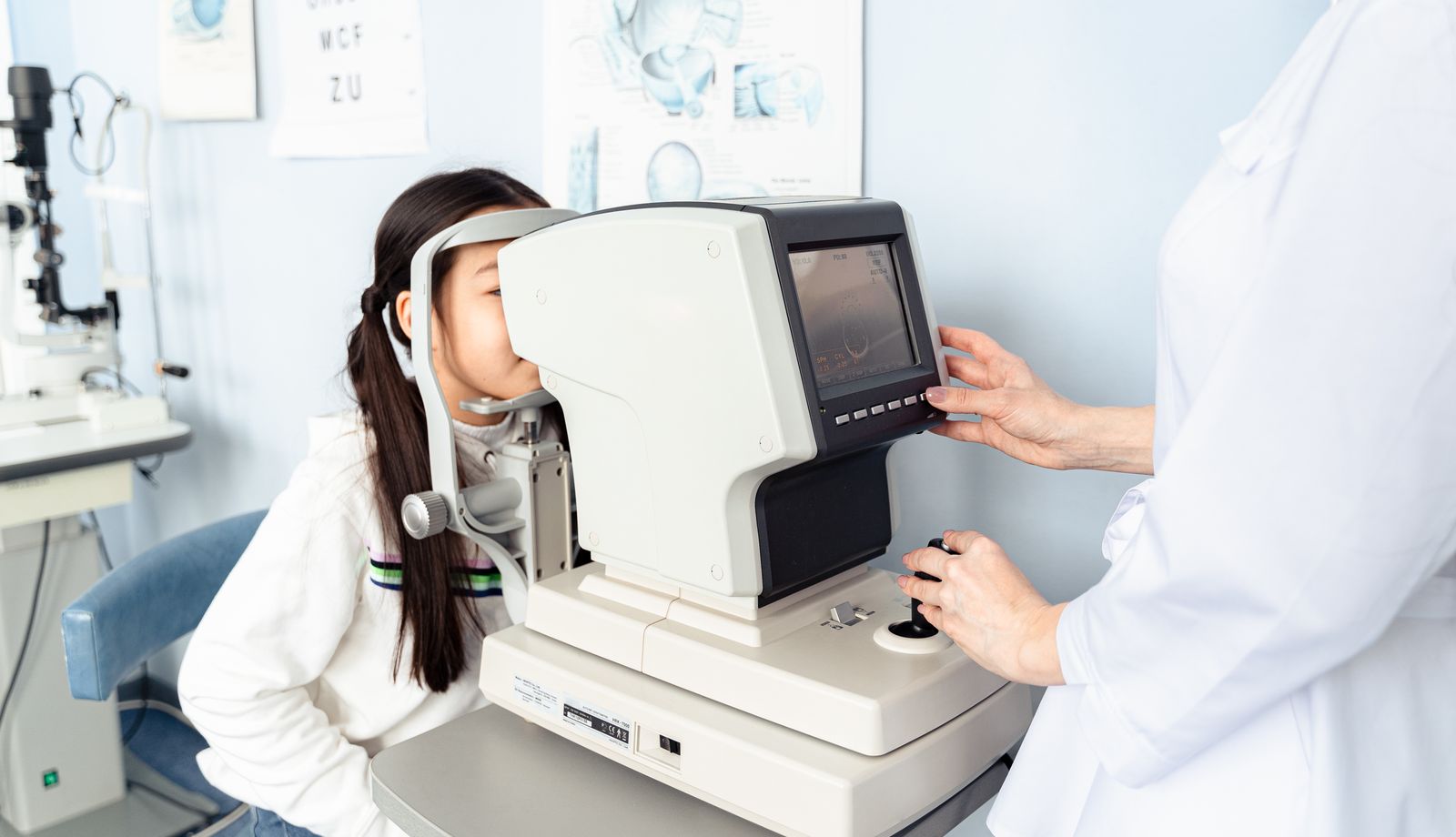
Pediatric ophthalmology runs on a structural quirk no other subspecialty shares: the patient and the decision-maker are different people. The eight-year-old sits in the chair; the parent books the visits, gives the drops, enforces the patching, fills out the school forms, and decides — based almost entirely on administrative experience — whether your practice is wonderful or impossible. The clinical care matters enormously, and the parent can barely evaluate it. What they can evaluate is everything around it, and that everything is an administrative discipline. Here's what it looks like done well.
A dedicated virtual receptionist for eye care practices can answer every call, confirm appointments and keep the schedule full.
Scheduling for families, not patients
Pediatric scheduling logistics compound: appointments must fit school calendars and parent work schedules, siblings often need coordinated same-day visits, and the no-show drivers are family chaos rather than forgetfulness. The accommodations that work — after-school and school-break blocks protected in the template, sibling-clustered bookings offered proactively, and confirmation outreach that goes to the parent's preferred channel with enough lead time to arrange the school pickup. The two-touch confirmation cadence from our scheduling guides applies, with one pediatric addition: the reminder that mentions what the visit involves ("Mia will get dilating drops, so plan for blurry near vision afterward") prevents the day-of surprise that turns into a cancellation at the door.
School-form season, treated as a season
Every August, pediatric practices drown in the same paperwork tide: school vision forms, sports clearances, IEP and 504 documentation requests, camp physical addenda. Practices that treat this as ambient noise process forms in ten-day backlogs while parents call daily; practices that treat it as a season staff it like one — a designated form queue, a 48-hour turnaround standard, templates for the recurring document types, and a tracking list so nothing submitted before the first day of school arrives after it. This is quintessential portable desk work, and batching it to a remote assistant during the peak keeps the front desk functional through the busiest scheduling month of the year.
The compliance follow-up layer
Pediatric eye care's clinical outcomes often hinge on what happens at home: patching hours for amblyopia, atropine schedules, glasses actually worn. The between-visit follow-up program — scripted check-in calls in the early weeks of a new patching regimen, encouragement touches that keep parents persisting through the hard phase, escalation to clinical staff when a parent reports the plan collapsing — is the administrative layer with the most direct clinical payoff in the subspecialty. It mirrors the adherence-outreach model from our glaucoma guide: protocol-bounded, scheduled, documented, and perfectly suited to a dedicated remote coordinator who never lets a follow-up window slip.
The referral and comanagement web
Pediatric ophthalmology sits in a dense referral network: pediatricians flagging failed screenings, school nurses, optometrists sending strabismus and amblyopia cases. The referral-processing speed standard from our ophthalmology guides applies doubled, because an anxious parent with a referral letter calls the practice that answers first — and the pediatrician who hears back promptly refers again. Same-day referral entry, records chased proactively, and a thank-you-plus-findings letter back to every referrer: the machinery of a reputation.
The staffing shape
The pattern across every workflow above: high communication volume, parent-facing warmth required, nearly all of it portable. The pediatric practice's in-building team — the people who make a frightened four-year-old laugh during an exam — should be spending their gifts on that, not on the form queue and the confirmation calls. The split-role design our series keeps documenting fits here with unusual clarity: warmth in the building, machinery with a dedicated remote owner, and parents who experience the whole thing as a practice that simply never drops their child's ball. In a subspecialty where the client talks to other parents at every school pickup, that experience is the marketing plan.