See the EyeCareWorks virtual receptionist for optometry practices: phones, scheduling and recalls handled inside your EMR.
Here's an experiment no practice owner enjoys: call your own office at 12:30 on a Tuesday. If you reach voicemail, you've just had the experience of somewhere between a tenth and a third of your callers, depending on the practice — and among them, this month's would-be new patients, who mostly won't leave a message. They'll call the next practice on their search results.
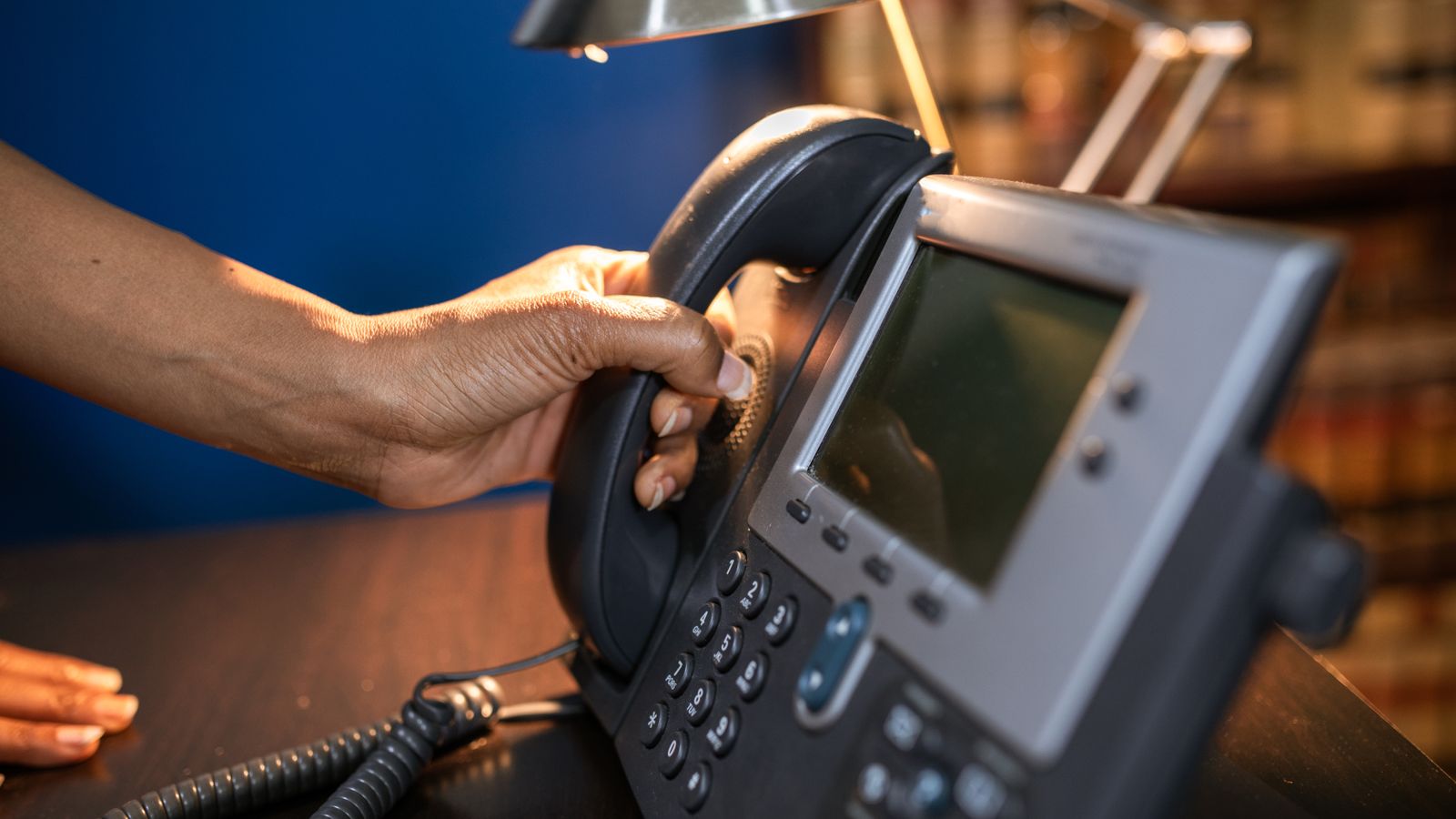
The optometry virtual receptionist exists to close that gap. It's the most common first remote hire in eye care for a simple reason: the phone is where practices leak the most revenue with the least awareness.
The missed-call math, briefly
Work through your own numbers. Pull the answer rate from your phone system — the share of business-hours calls a human picked up. Estimate what portion of missed calls were patients trying to book, and what a booked patient is worth to you across the exam and optical. Even conservative assumptions usually produce an annual figure that would fund the receptionist several times over. The revenue was always there; it was just ringing out.
What the role covers
A virtual receptionist is a dedicated person — not a call center — who answers your practice's line during business hours from a remote workstation, working inside your scheduling system in real time. The daily portfolio:
- Answering and booking into your templates, with your scheduling rules
- Confirmation calls and texts one to two days out, every day without exception
- Reschedules, cancellations, and immediate waitlist backfill
- Order-status calls answered with real information, after checking the lab status themselves
- Insurance questions handled at the front line — which plans you take, what a fitting costs
- Message-taking that reliably includes the name, number, and reason
Everything else about your front desk stays put. The person at the counter still greets, checks in, and checks out — they just do it without a phone wedged against one ear. Most teams describe the change in the same word: quieter.
Dedicated versus answering service
The distinction matters enough that we've written a full comparison, but the short version: an answering service takes messages; a virtual receptionist does the work. A service tells your patient someone will call back about rescheduling. A receptionist reschedules them, on the call, in your system. For a practice whose problem is front-desk capacity rather than after-hours coverage, the difference is the whole point.
What eye care adds to the job
Generic phone training doesn't cover the questions an optometry line actually gets. Does my VSP cover this? Can I order more contacts from my old prescription? Why is a contact lens exam extra? My kid broke his glasses before school pictures — what do we do? A receptionist trained for eye care answers these correctly and warmly the first time, which is exactly what a patient deciding whether you're their practice is listening for.
Standards worth holding
If you add this role, hold it to the numbers that justify it: answer rate above ninety-five percent during business hours, voicemails returned within the hour, confirmations completed daily, and a weekly report you can read in a minute. A good provider will propose these metrics before you ask. And the compliance basics apply as they do for any remote role touching patient information — business associate agreement, individual credentials, monitored access. Our vetting guide covers the full checklist.
Where to start
If your answer rate is healthy and your front desk is calm, you don't need this role yet — bookmark it for growth. If you honestly don't know your answer rate, that's the assignment: pull one month of phone data before making any staffing decision. And if you pulled it and winced, you've already found the cheapest revenue in your practice. It's been calling you this whole time.