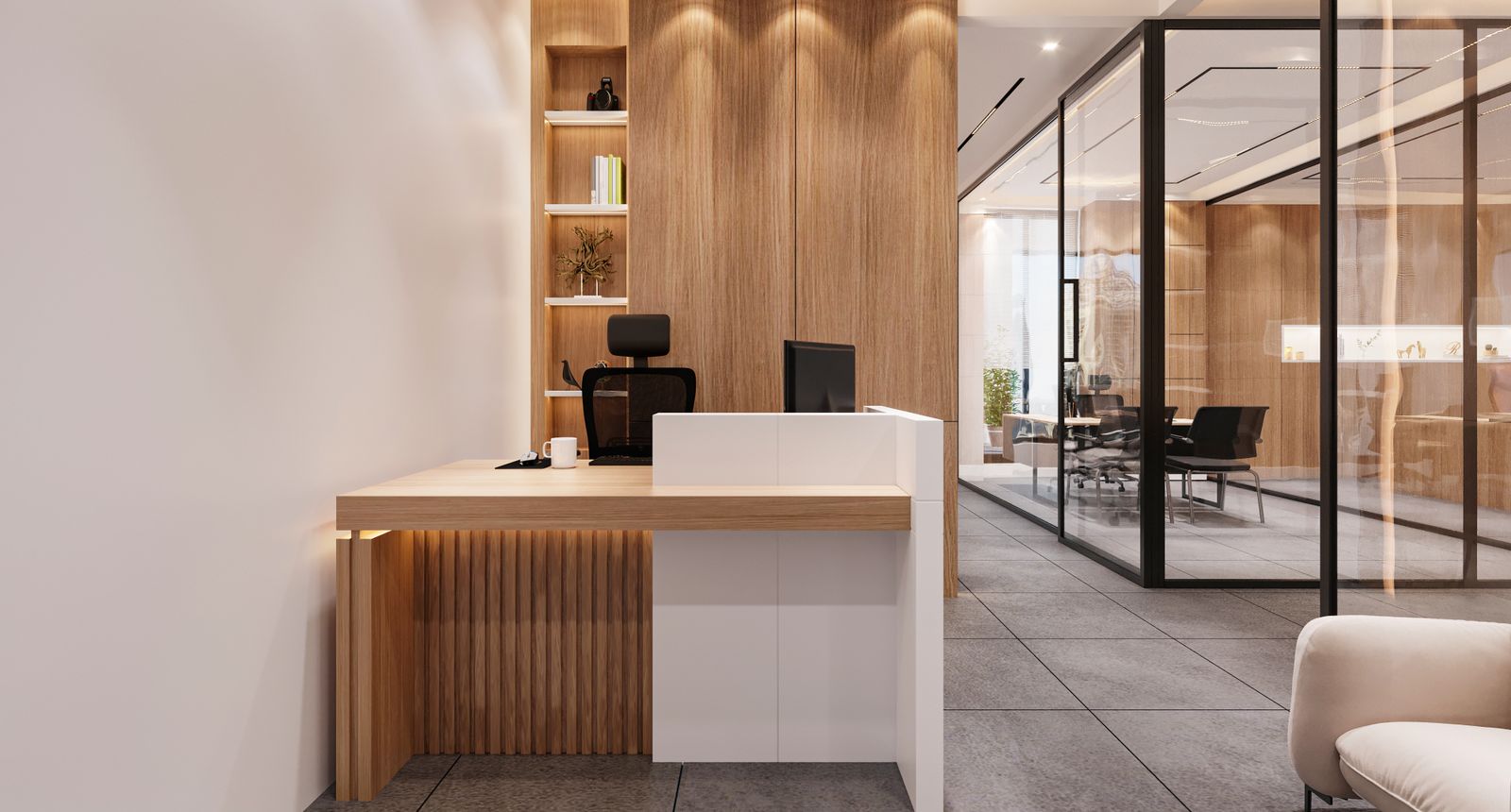
"Outsourcing the front desk" sounds drastic — conjuring images of your practice's warmth handed to a distant call center. What the term actually describes, in the version that works for optometry, is narrower and smarter: the lobby stays yours, staffed by your people, while the desk workload — phones, scheduling, verification, follow-up — moves to a dedicated remote team member who works only for your practice. Here's how the model works, what it costs, and how to evaluate it without getting sold.
A dedicated virtual receptionist for eye care practices can answer every call, confirm appointments and keep the schedule full.
What's actually being outsourced
Precision matters because the failure mode of front-desk outsourcing is buying the wrong thing. A shared call center answering for forty practices is outsourcing your phone number; a dedicated virtual front desk person is outsourcing a workload. The second model — one trained individual, your systems, your hours, your protocols — is the one this article describes, and the one that preserves the thing owners fear losing: a front desk that knows your patients.
What stays in-house, always: greeting, check-in, checkout, optical handoffs, and every task requiring a human in the room. The full split is mapped in our receptionist-duties guide; the principle is simply lobby-in, desk-out.
The cost picture
A dedicated remote front-desk professional through a healthcare staffing provider typically runs a flat monthly rate in the range of a quarter to half of what a fully loaded in-office hire costs, once you count the wage, payroll taxes, benefits, PTO, and the recruiting cycle you repeat every time the position turns over. The provider's rate bundles recruiting, eye-care training, HIPAA compliance infrastructure, management, and backup coverage when your person is out — that last item being the one an in-office hire can never offer.
Add the integration costs pricing pages omit: a few weeks of slower-than-steady-state onboarding, possibly a software seat, and several hours of your office manager's time documenting workflows that previously lived in someone's head. Real, one-time, and — practices consistently report — worth it for the documentation alone.
What determines success
Having watched this model succeed and occasionally fail, the variables are consistent:
- Eye care fluency. A remote front desk that can't answer "does my EyeMed cover this?" isn't a front desk, it's a message service. Verify the training is optometry-specific.
- Clean ownership. The line rings remote, period. Split phone ownership between lobby and remote produces dropped balls and finger-pointing.
- A real onboarding. Two weeks of documented workflows and shadowing, then staged handoff. The practices that churn are nearly always the ones that handed over a login and hoped.
- Compliance done properly. Business associate agreement, individual scoped credentials, monitored access. Standard for any legitimate provider; disqualifying if absent.
The questions to ask any provider
Will we interview and choose the specific person? What optometry systems and vision plans have they worked with? What happens when they're sick or resign — who covers, who retrains, at whose cost? What are your standard performance metrics and how are they reported? Can you walk me through your HIPAA safeguards unprompted? The answers separate staffing partners from subscription products in about ten minutes.
The bottom line
Front-desk outsourcing, correctly understood, isn't about removing the human face of your practice — it's about protecting it. The lobby gets your people back; the phones get someone who can finally answer them. For a typical two-doctor optometry office, the swap costs less than half an in-office hire and returns measurable numbers within a quarter: answer rate, no-show rate, recall bookings. If those are the numbers keeping you up, this is one of the few staffing moves that attacks all three at once — and we're happy to show you the math on your own volume.